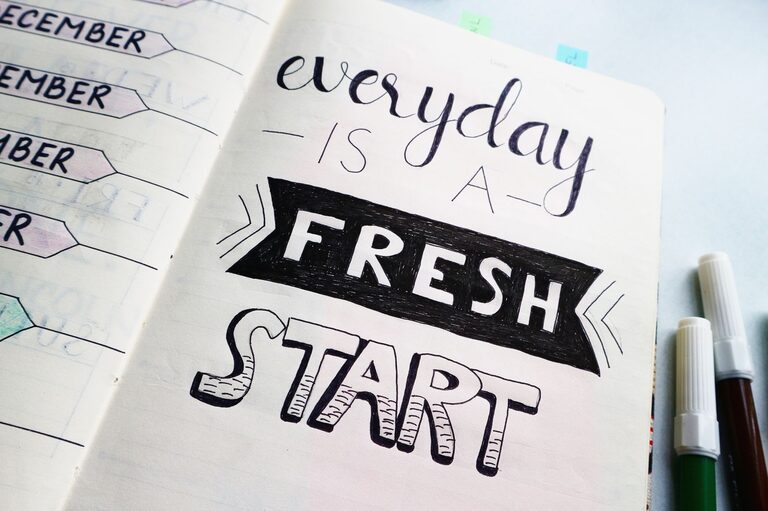

Creating a weekly reset routine can be a powerful way to clear your mind, organize your life, and prepare yourself for the week ahead. This kind of routine is not about adding more tasks but about intentional moments of reflection, rest, and planning that refresh your energy and focus.
In this post, we’ll explore how to design a weekly reset routine tailored to your needs, making it easier to maintain balance and productivity throughout your week.
What is a Weekly Reset Routine?
A weekly reset routine is a set of planned activities you do at the end—or the beginning—of each week to refresh your body, mind, and environment. Think of it as a “soft reset” for your life: it helps you close out the previous week and prepare with clarity for the one ahead.
Unlike daily routines, which focus on small, day-to-day habits, a weekly reset looks at the bigger picture. It’s a chance to evaluate your goals, recharge your energy, and create space for what matters most.
Benefits of a Weekly Reset Routine
– Improved productivity: By reviewing your progress and setting priorities, you’re more likely to stay on track.
– Reduced stress: Organizing your space and planning ahead can prevent last-minute chaos.
– Better work-life balance: Regularly checking in with yourself helps you find time for rest and personal activities.
– Increased motivation: Seeing your accomplishments and planning future wins boosts your confidence.
Step 1: Choose the Best Time for Your Reset
Decide when you want to do your weekly reset. Common options include:
– Sunday evening: Prepare mentally for the week ahead.
– Friday afternoon: Reflect on the week completed and unwind.
– Monday morning: Start fresh with clarity and intention.
Pick a time that feels natural and fits your schedule. Consistency is key, so try to keep it the same day and time each week.
Step 2: Create a Comfortable Environment
Your environment plays a big role in how effective your reset routine is. Consider:
– Tidy up your workspace or living area.
– Find a quiet spot where you can focus.
– Use calming elements like soft lighting, candles, or relaxing music.
– Have your planner, journal, or digital tools ready.
This helps your mind associate the space with focus and relaxation.
Step 3: Review Your Past Week
Start by looking back. This reflection helps you learn and celebrate progress.
– What went well? List accomplishments or moments you enjoyed.
– What challenges did you face? Identify obstacles without judgment.
– Were your goals realistic? Reflect on your planning and adjust if needed.
– How did you spend your time? Consider whether your activities aligned with your values.
Writing these thoughts in a journal or digital note can be helpful.
Step 4: Organize and Declutter
Physical clutter can add to mental clutter. Spend 10–20 minutes:
– Clearing your desk or work area.
– Sorting through mail, papers, or digital files.
– Setting aside items for donation or recycling.
– Organizing your calendar or to-do list.
A tidy environment promotes a clearer mindset.
Step 5: Plan Your Upcoming Week
With a fresh start, think about what you want to achieve.
– Set 2–3 main goals for the week.
– Break those goals into small, manageable tasks.
– Schedule important appointments, deadlines, and self-care activities.
– Build in buffer time to handle unexpected events.
– Consider time for hobbies, social activities, and rest.
Use a planner, app, or calendar—whatever works best for you.
Step 6: Prioritize Self-Care and Recharge
A reset isn’t just about productivity. It’s about renewing your energy.
– Take a relaxing bath or shower.
– Spend time in nature or go for a walk.
– Meditate or practice deep breathing.
– Enjoy a favorite hobby or creative activity.
– Get enough sleep to feel refreshed.
Make self-care non-negotiable in your routine.
Step 7: Set Intentions and Affirmations
End your reset by setting positive intentions for the week ahead.
– Write down an affirmation or motivational quote.
– Visualize how you want your week to feel.
– Remind yourself of your strengths and priorities.
This mindset work helps you stay focused and positive.
Tips for Sticking to Your Weekly Reset Routine
– Keep it simple: Your reset should feel manageable, not overwhelming.
– Use reminders: Set alarms or calendar alerts to keep the habit.
– Adapt as needed: Life changes, so feel free to tweak your routine.
– Make it enjoyable: Include activities that bring you joy.
– Involve others: Share your routine with friends or family for support.
Example Weekly Reset Routine (45 Minutes)
- **5 minutes:** Tidy your space
- **10 minutes:** Reflect on last week (journal or notes)
- **10 minutes:** Plan upcoming week (goals and scheduling)
- **10 minutes:** Self-care activity (stretching, meditation)
- **10 minutes:** Set intentions and affirmations
Feel free to adjust the times based on your preferences.
Final Thoughts
Designing a weekly reset routine is a simple yet powerful way to bring more clarity, balance, and purpose into your life. By dedicating a small chunk of time each week to reflect, organize, and recharge, you can reduce stress and approach your days with renewed energy.
Start small, be consistent, and make your reset routine uniquely yours. Over time, you’ll likely notice a positive shift in how you feel and what you accomplish.
Give it a try this week—and see how a weekly reset can help you thrive!
About the Author